





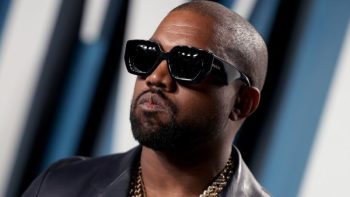






Dr. Jamal Mohammed Al Kaabi, Secretary General of the UAE’s National Media Authority. NMA
A private WhatsApp group, a TikTok video or a social media post can all come under UAE media laws, the country’s National Media Authority (NMA) has warned, as officials highlighted real cases where individuals faced legal action over online content.
Dr. Jamal Mohammed Al Kaabi, Secretary General of the NMA, said the UAE’s media regulations apply to all forms of communication, including digital platforms used by individuals, businesses and media organisations.
He shared several examples of violations during a recent address, stressing that residents must understand the responsibility that comes with creating and sharing content online. “We are not here to restrict freedom,” Al Kaabi said, “We are here to protect the community, preserve our values and ensure that the media space in all its forms serves the nation rather than harms it.”
Fake news can cause real harm
One of the cases highlighted involved a fabricated report claiming that five members of the same family had died from Covid-19.
The false story was widely circulated and caused public concern before authorities discovered that the family mentioned in the report did not exist. Al Kaabi said two people, including a TV correspondent, were detained and later jailed over their involvement in spreading the false information.
He recalled that during the pandemic, he had personally worked on reports documenting the real situations of families affected by Covid-19, including verifying their financial circumstances and support needs.
The fake report created unnecessary alarm and showed the impact that misinformation can have on individuals and society, he said.
Sharing unverified names can lead to trouble
Al Kaabi also cited a case involving the arrest of an Iran-linked cell in the UAE. After authorities announced the arrests, some people searched online for information about those involved and began sharing details about their backgrounds, workplaces and connections.
One company was wrongly linked to a suspect, prompting the business to file an official complaint.
People who shared the incorrect information were summoned and later faced legal consequences for spreading unverified claims.
The NMA official warned residents that sharing information about security cases without confirmation from official sources can itself become a legal violation.
Filming police officers without permission
Al Kaabi also highlighted the importance of respecting law enforcement officers while they carry out their duties.
He described a case involving a man who filmed police officers while they were assisting him following a theft incident. Despite being asked to stop recording, the man continued filming and later shared the video online.
Al Kaabi said recording officers performing official duties without permission is prohibited and may violate laws protecting public order and state institutions.
Privacy applies even in public places
The NMA also warned residents against recording or sharing videos of people without their consent.
Al Kaabi said privacy rules apply even when individuals are in public places, including public figures and celebrities. Filming someone without permission, particularly in situations where the person has a reasonable expectation of privacy, and sharing the content online may result in legal consequences.
Cultural symbols must be respected
The UAE’s national identity and cultural heritage are also protected under media regulations.
Al Kaabi warned against content that mocks or disrespects Emirati traditions, including the national dress, the kandura. He said the kandura represents Emirati identity and heritage, and using it in a way that demeans or distorts its cultural significance may lead to action.
National currency cannot be misused
A flower shop’s Valentine’s Day promotion was also cited as an example of content that crossed legal boundaries.
The business advertised bouquets priced at Dh10,000 each, with UAE currency notes included as part of the arrangements. Al Kaabi explained that the issue was not the act of giving money as a gift, but the way the national currency was presented and used for commercial promotion.
The business was contacted by authorities, the video was removed and the company was reminded about regulations protecting the dignity of the national currency.
He also referred to another example involving someone placing a dirham coin on charcoal and adding scented oud on top, saying such acts could be considered disrespectful to the currency.
Religious sensitivities must be considered
Al Kaabi also discussed a video in which a man visited petrol stations across the UAE and offered cash to workers in exchange for reciting the Islamic declaration.
He said the content was considered offensive because it treated a religious declaration in an inappropriate manner and violated rules protecting religious beliefs and Islamic values.
10,000 TikTok accounts removed
The NMA has also taken action against thousands of online accounts spreading harmful or misleading content.
Al Kaabi revealed that around 10,000 TikTok accounts had been removed for publishing AI-generated videos and other material aimed at damaging the UAE’s reputation, spreading false narratives about Dubai and other emirates, or promoting harmful ideas.
He said authorities continue to monitor digital platforms to ensure online spaces remain safe and responsible.
Gaming rules moving towards age ratings
During his remarks, Al Kaabi also discussed changes in the approach towards video games.
He said the UAE would focus more on age classification rather than completely blocking certain titles, recognising the growth of the gaming industry while ensuring children are protected. Games with age restrictions will be regulated, and revenue from some age-restricted titles will support UAE Child Council programmes focused on educating children and parents about responsible gaming.
UAE media laws apply to everyone
The NMA’s message was clear: media responsibility applies not only to journalists and content creators but to every resident who uses digital platforms.
From television broadcasts to private messaging groups, any content that violates UAE laws can have consequences.
Authorities urged residents to verify information before sharing, respect privacy, avoid spreading rumours and consider the impact of every post before publishing it online. PIA/Expat Media
ALSO READ: UAE media laws explained
For all the latest news from the UAE and the world, follow us on Facebook, Twitter and Instagram and subscribe to our YouTube page











+ There are no comments
Add yours